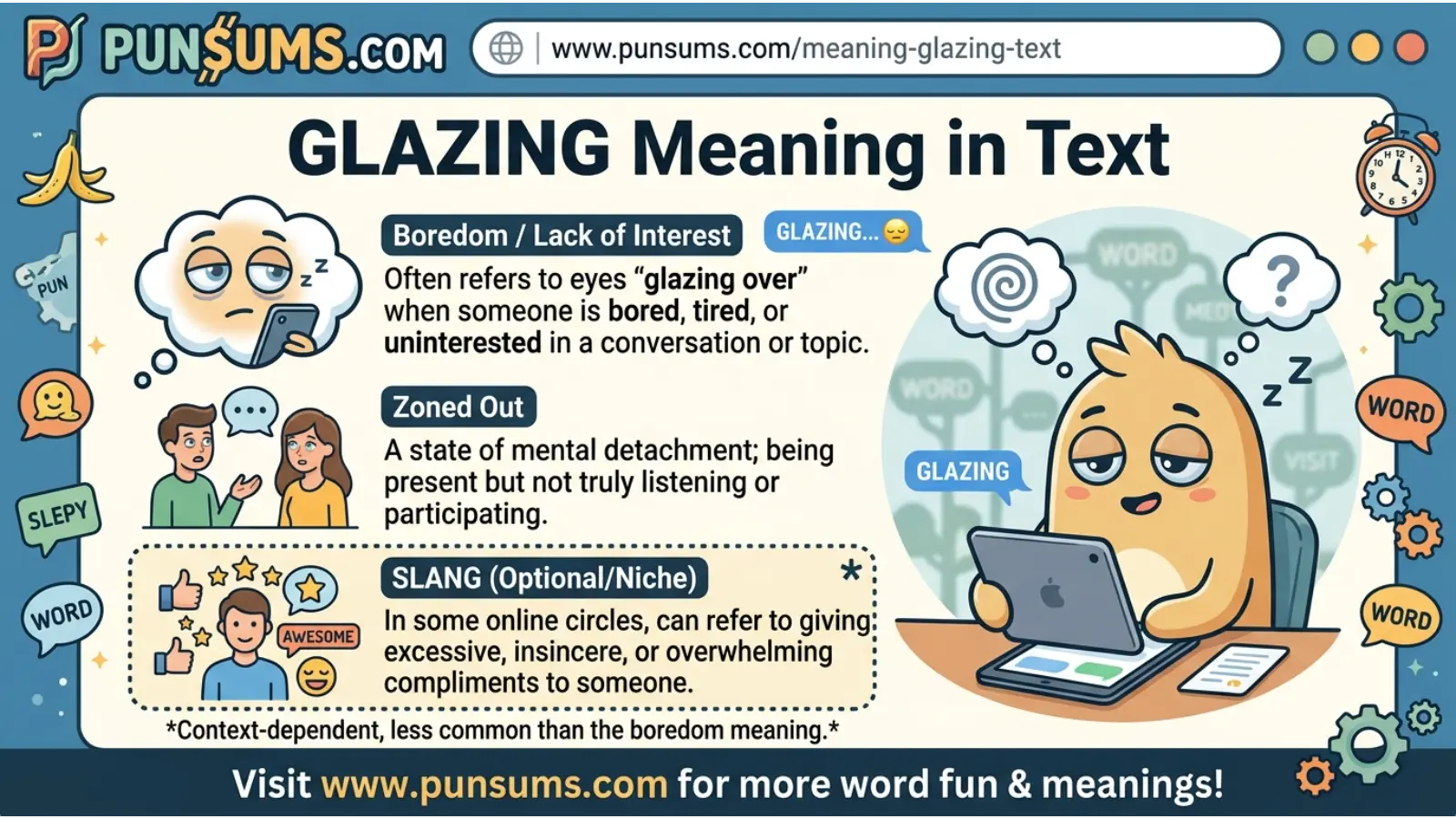
GLAZING meaning in text is a popular slang term often seen on TikTok, Instagram, Snapchat, X, and in gaming communities.
If someone comments, “You’re glazing,” they usually mean a person is giving excessive praise, admiration, or support to someone else.
The term is often used humorously to call out behavior that seems overly enthusiastic, biased, or obsessed.
While glazing is usually meant as a joke, it can sometimes be used as mild criticism.
As internet slang continues to evolve, understanding terms like glazing helps you keep up with online conversations and social media trends.
GLAZING – Quick Definition
Glazing is internet slang used when someone praises, compliments, defends, or supports another person excessively.
In simple terms:
Glazing means giving someone way too much admiration, often to an embarrassing or exaggerated degree.
People usually use it jokingly to call out someone who seems overly impressed by another person.
Common Meanings of Glazing
Excessive Complimenting
“You’re glazing him again.”
Meaning: You’re praising him too much.
Blind Support
“Fans keep glazing that celebrity.”
Meaning: Fans support them no matter what.
Joking Admiration
“I’m glazing my favorite player and I don’t care.”
Meaning: I know I’m praising them a lot.
Sarcastic Criticism
“Bro dropped one decent song and you’re already glazing.”
Meaning: You’re overreacting with praise.
Internet Teasing
“Professional glazer.”
Meaning: Someone who constantly praises others.
Simple Examples
- “Stop glazing your favorite streamer.”
- “The comments are full of glazing.”
- “He’s glazing his boss for a promotion.”
- “TikTok users love glazing celebrities.”
At its core, glazing is about admiration that feels excessive, exaggerated, or unnecessary.
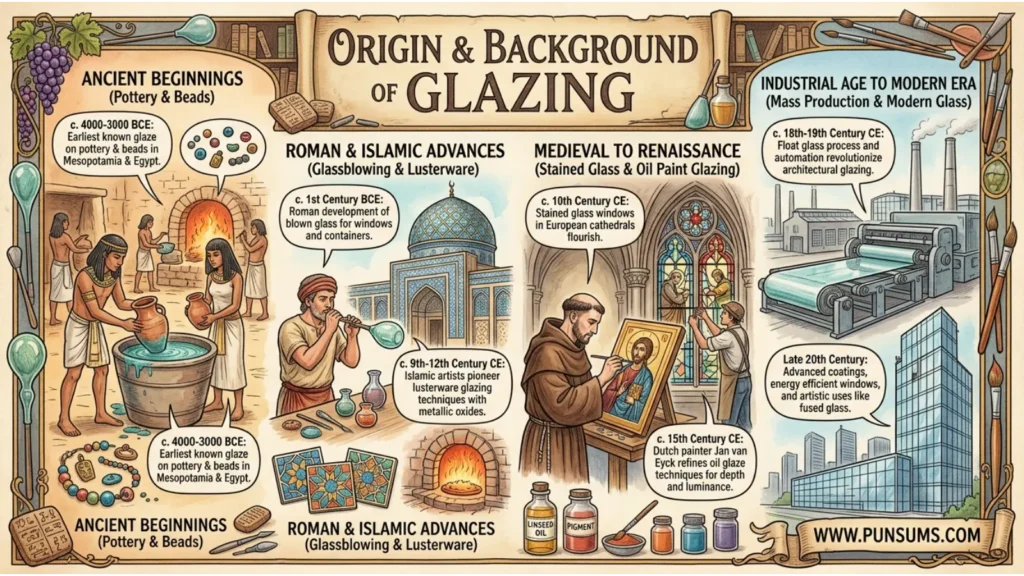
Origin & Background Of GLAZING
The slang term glazing comes from the idea of “putting a shiny coating” on something.
Originally, the word had nothing to do with internet culture.
In everyday language, glaze refers to a shiny surface coating found on pottery, pastries, or certain materials.
Online communities eventually transformed the word into a metaphor.
Instead of coating an object with shine, people started joking that someone was “coating another person with praise.”
Gaming communities helped popularize the expression first.
Then social media platforms accelerated its growth.
TikTok memes, reaction videos, livestream clips, and sports debates pushed the word into mainstream internet vocabulary.
By 2023 and beyond, glazing became one of the most recognizable pieces of Gen Z slang.
Today you’ll find it everywhere:
- TikTok comments
- Instagram reels
- Sports communities
- YouTube videos
- Gaming chats
- Celebrity fan discussions
- Meme pages
One fascinating thing about internet language is how quickly meanings evolve.
A word that once described a shiny coating now describes excessive admiration in online culture.
That’s the internet for you.
Real-Life Conversations
WhatsApp Chat
Ali: Messi is the greatest athlete in history.
Ahmed: Bro, you’re glazing again.
Ali: I’m just speaking facts.
Instagram DM
1st Friend: She posted one selfie.
2nd Friend: Why are people acting like she’s a supermodel?
1st Friend: The comments are pure glazing.
TikTok Comment
Creator: Uploads a basic dance video.
Comment: “Best creator on the entire platform.”
Reply: “The glazing is insane 😭”
Group Chat
Friend: My favorite rapper never misses.
Group Member: That’s next-level glazing.
Text Message
Jake: My boss is a genius.
Sam: You’ve mentioned that ten times today.
Jake: Maybe.
Sam: Glazing detected.
Emotional Pattern Behind These Examples
Most glazing accusations happen when people feel praise has crossed a line.
The praise itself isn’t always the problem.
The problem is the perceived imbalance.
Online audiences often react when admiration starts looking excessive.
That’s why the word appears so frequently in modern conversations.
Emotional & Psychological Meaning
Glazing is more than internet humor.
It’s actually tied to several interesting social behaviors.
Desire for Belonging
Humans naturally admire people.
Celebrities.
Athletes.
Creators.
Friends.
Mentors.
When admiration becomes visible, others may label it glazing.
Social Awareness
Calling someone a glazer often signals:
“I think you’re being emotionally biased.”
It’s a way of challenging another person’s objectivity.
Humor and Protection
Many people use the word jokingly.
Instead of directly saying:
“You’re obsessed.”
They simply say:
“You’re glazing.”
The slang softens the criticism.
Confidence vs Insecurity
Sometimes glazing accusations reveal something deeper.
A person might genuinely admire someone.
Another person may view that admiration as excessive.
The disagreement isn’t really about praise.
It’s about social perception.
A Mini Story
Imagine a workplace.
One employee constantly talks about how amazing their manager is.
Every meeting.
Every lunch break.
Every conversation.
Eventually coworkers start joking:
“The glazing never stops.”
The humor isn’t really about the manager.
It’s about how noticeable the admiration has become.
👉 That’s the deeper psychology behind it.
Usage in Different Contexts
Social Media
This is where glazing thrives.
Examples:
- “TikTok is glazing this influencer.”
- “Instagram comments are glazing again.”
Social media amplifies praise, making glazing easier to spot.
Friends & Relationships
Among friends, glazing is usually playful.
Example:
“You talk about your girlfriend like she’s a superhero.”
“Stop glazing.”
The tone is often teasing rather than hostile.
Work or Professional Settings
Glazing can describe excessive professional praise.
Example:
“He’s always agreeing with the boss.”
“That’s glazing.”
However, using the term at work may sound unprofessional.
Casual vs Serious Tone
Casual:
“Bro is glazing 😂”
Serious:
“Your opinion seems biased because you’re glazing that person.”
The same word can be humorous or critical depending on context.
When NOT to Use It
Avoid using glazing in:
Formal Business Communication
Not everyone understands internet slang.
Professional Emails
It can appear disrespectful.
Emotional Arguments
Calling someone a glazer during conflict may escalate tensions.
Older Audiences
Many older adults may not recognize the slang.
Cross-Cultural Conversations
Internet slang doesn’t always translate well internationally.
👉 Context protects meaning.
Common Misunderstandings
Misunderstanding #1: Glazing Always Means Insulting
Not true.
Many people use it playfully.
Misunderstanding #2: Any Compliment Is Glazing
False.
Normal praise isn’t glazing.
Excessive praise is.
Misunderstanding #3: It’s Always Negative
Not necessarily.
Some users jokingly admit they’re glazing.
Misunderstanding #4: It Means Flirting
Not always.
While flirting can involve glazing, the two are different.
Misunderstanding #5: Only Teenagers Use It
The term started with younger users but has spread widely online.
Comparison Table
| Expression | Meaning | Tone | Usage Context |
|---|---|---|---|
| Glazing | Excessive admiration or praise | Playful or critical | Social media, chats |
| Fanboying | Enthusiastic support | Mostly playful | Gaming, sports |
| Hyping Up | Encouraging or promoting | Positive | Friends, marketing |
| Simping | Excessive romantic admiration | Humorous or critical | Dating discussions |
| Worshipping | Extreme devotion | Strongly exaggerated | Memes, jokes |
| Supporting | Normal encouragement | Neutral | Everyday conversations |
The emotional difference is important.
Glazing focuses on excessive praise.
Simping focuses on romantic admiration.
Hyping focuses on encouragement.
Variations & Types
Glazer
Someone who constantly praises others.
Example:
“Certified glazer.”
Glazed
Used to describe the person doing the praising.
Example:
“He’s completely glazed.”
Mega Glazing
Extreme admiration.
Example:
“That’s mega glazing.”
Professional Glazer
Popular meme phrase.
Used sarcastically.
Elite Glazing
Internet exaggeration.
Often used in sports debates.
Glazing Olympics
Meme expression for absurd levels of praise.
Each variation increases the comedic effect.
How to Respond When Someone Uses It
Casual Replies
- “Maybe a little.”
- “I said what I said.”
- “Can’t help it.”
Funny Replies
- “Gold medal in glazing.”
- “I’m committed to the agenda.”
- “Professional glazer reporting for duty.”
Mature Replies
- “I just genuinely respect them.”
- “That’s my honest opinion.”
- “I think the praise is deserved.”
Respectful Replies
- “Fair point.”
- “Maybe I’m being a bit biased.”
- “I understand why it sounds that way.”
Matching the other person’s energy usually works best.
Regional & Cultural Usage
Western Culture
The term is highly common in American, Canadian, and British internet communities.
Sports, influencers, and celebrity culture frequently drive usage.
Asian Culture
Many younger internet users recognize glazing through TikTok, gaming communities, and global meme culture.
Middle Eastern Culture
Social media has helped spread the term among English-speaking online audiences.
Global Internet Usage
Thanks to TikTok, YouTube, Instagram, and gaming platforms, glazing is becoming a global slang expression.
The internet often creates a shared language across cultures.
Generational Differences
Gen Z
Uses glazing constantly.
Often in jokes, memes, and comment sections.
Millennials
Generally understand it but may use it less frequently.
Older Generations
May be unfamiliar with the slang entirely.
This highlights something interesting:
Language often acts as a badge of internet identity.
Different generations signal belonging through different vocabulary.
Is It Safe for Kids?
Generally, yes.
Glazing is usually harmless slang.
However, parents and educators should understand that it can sometimes be used to mock or criticize others.
Potential concerns include:
- Excessive teasing
- Social embarrassment
- Online bullying if overused
Most of the time, though, it’s simply internet humor.
Understanding context remains important.
FAQs
What does glazing mean in texting?
Glazing means praising, defending, or admiring someone excessively in text messages or online conversations.
Is glazing an insult?
Sometimes. It can be playful teasing or genuine criticism depending on the tone.
What does glazing mean on TikTok?
On TikTok, glazing usually refers to exaggerated admiration toward a creator, celebrity, athlete, or influencer.
Is glazing the same as simping?
No. Simping is usually romantic. Glazing focuses on excessive praise in general.
Can adults use the word glazing?
Absolutely. While popularized by Gen Z, anyone familiar with internet culture can use it.
Should I use glazing at work?
Usually no. Professional environments generally benefit from clearer, more formal language.
Conclusion
Internet slang often reveals more about people than the words themselves.
The popularity of glazing shows how modern online culture constantly evaluates admiration, loyalty, influence, and social behavior. People aren’t just discussing whether someone deserves praise. They’re discussing how much praise is too much.
In today’s digital world, every comment, like, repost, and reaction becomes a public display of opinion. That’s why a simple slang word like glazing carries so much social meaning.
So, what does GLAZING mean in text?
Glazing means excessively praising, admiring, defending, or supporting someone to a degree that others view as exaggerated, biased, or over-the-top.
Whether it’s used as a joke, a criticism, or a playful callout, the word captures a uniquely modern internet behavior: the moment admiration becomes impossible to ignore.
And in a world driven by likes, followers, fandoms, and viral moments, that’s exactly why the term continues to spread.
Read More Posts:

I’m Luna Punster, a wordplay enthusiast who loves turning ordinary phrases into pun-tastic creations. I believe laughter is the best kind of connection, and puns make it even better. Writing witty and clever lines is my favorite way to spark smiles.
Through my playful words, I aim to sprinkle joy and humor everywhere I go.