You’re scrolling through TikTok comments or reading a late-night group chat when someone suddenly types:
“ONB I’m not lying.”
“Bro was acting weird ONB.”
“ONB that food was disgusting.”
And instantly your brain pauses.
Wait… what does “ONB” even mean?
Is it serious? Funny? Aggressive? A joke? A threat? A promise?
That confusion is exactly why so many people search for the meaning of ONB in text messages and social media conversations. Internet slang moves fast, and sometimes a simple three-letter phrase can completely change the emotional tone of a conversation.
What makes ONB interesting is that it is not just about words. It’s about trust, emotion, identity, confidence, and online culture. People use it to sound real, believable, emotionally intense, or socially connected.
And honestly? The tone matters more than the letters themselves.
Let’s break it down in a way that actually makes sense.
ONB – Quick Definition
“ONB” usually means:
“On Bro”
or
“On Blood”
It’s commonly used in texting, TikTok comments, Snapchat, Instagram DMs, gaming chats, and group conversations to emphasize honesty or seriousness.
When someone says “ONB,” they are basically saying:
“I swear.”
“I’m serious.”
“I’m telling the truth.”
“No joke.”
“I really mean this.”
Examples:
• “ONB that movie was trash.”
• “I saw him talking to her ONB.”
• “ONB I almost cried laughing.”
• “She ignored me all day ONB.”
Depending on context, ONB can sound:
• serious
• emotional
• funny
• dramatic
• defensive
• intense
• loyal
• confrontational
Sometimes it is used casually between friends. Other times it carries emotional weight, especially during arguments or personal conversations.
At its core, ONB is about proving sincerity and emotional truth.
Where Did ONB Come From?
Like many modern slang terms, ONB grew out of street culture, regional slang, and online communication before exploding across social media.
The phrase “On Bro” became popular in urban texting culture as a way of swearing honesty on someone close or respected. Similar expressions existed long before social media:
• “On my mom.”
• “On God.”
• “On everything.”
• “On my life.”
ONB became a shorter, faster internet version that fit perfectly into texting culture where speed matters.
As TikTok, Snapchat, Instagram Reels, and gaming communities grew, the phrase spread rapidly. Meme culture also helped because dramatic honesty works perfectly online.
People exaggerate emotions constantly online:
• “ONB I’m deleting this app.”
• “ONB that scared me.”
• “ONB this is the best song ever.”
The internet rewards emotional intensity, and ONB delivers exactly that.
Language online evolves ridiculously fast. One year nobody says something. The next year it’s everywhere in comments, captions, and voice messages.
That’s how internet slang survives.
Real-Life Conversations
WhatsApp Chat
Friend 1: “Did you actually fail the test?”
Friend 2: “ONB I forgot the whole chapter existed.”
This usage feels honest but also lightly humorous.
Instagram DM
Person 1: “Was she flirting with me?”
Person 2: “ONB yes.”
Short. Confident. Emotionally direct.
TikTok Comment
“ONB this song healed my depression.”
This type is dramatic and emotionally expressive, even if exaggerated.
Group Chat
“ONB y’all left me behind at the mall.”
Here, it adds emotional frustration while keeping the tone casual.
Gaming Chat
“ONB that lag made me lose.”
This usage sounds reactive and emotionally charged.
The emotional pattern behind ONB is simple:
People use it when they want others to believe their emotions immediately.
The Emotional & Psychological Meaning Behind ONB
This is where things get deeper.
Most slang is not only about communication. It is about emotional positioning.
When someone says “ONB,” they are signaling:
• confidence
• emotional intensity
• social authenticity
• frustration
• loyalty
• vulnerability
• credibility
It creates emotional pressure inside conversations.
Instead of saying:
“I think I’m telling the truth.”
They say:
“ONB.”
And suddenly the statement feels emotionally stronger.
That’s why ONB appears so often during:
• arguments
• confessions
• storytelling
• emotional reactions
• online drama
• relationship discussions
Sometimes people even use it as emotional protection.
For example:
A guy texts his friends:
“ONB I don’t even care anymore.”
But emotionally? He probably does care.
The slang creates distance while still expressing emotion. That’s a huge part of internet communication today.
Online language often hides vulnerability behind humor, exaggeration, or slang.
A small mini-story explains this perfectly:
Imagine someone in a friend group gets ignored during plans. Instead of saying:
“That hurt my feelings.”
They might type:
“ONB y’all fake.”
It sounds funny on the surface, but emotionally there is real disappointment underneath.
That’s the deeper psychology behind it.
Usage in Different Contexts
Social Media
On TikTok, Instagram, Snapchat, and X, ONB is often dramatic, expressive, or exaggerated.
Examples:
• “ONB this episode destroyed me.”
• “ONB nobody dresses better than her.”
• “ONB I need money.”
Social media rewards emotional reactions, so ONB fits perfectly.
Friends & Relationships
Among friends, it usually builds trust or emotional emphasis.
Examples:
• “ONB I got your back.”
• “ONB you looked mad.”
In dating conversations, it can sound more emotionally intense.
Example:
“ONB I miss you.”
That hits differently than a plain message.
Work or Professional Settings
This is where ONB usually does not belong.
Sending:
“ONB I finished the report.”
to a manager would sound confusing or unprofessional.
Professional communication depends on clarity, not internet slang.
Casual vs Serious Tone
Tone changes everything.
Casual:
“ONB this pizza slaps.”
Serious:
“ONB I didn’t tell anyone.”
The same slang can feel playful or emotionally heavy depending on context.
When NOT to Use It
There are moments when ONB can confuse people or create the wrong impression.
Avoid using it in:
• job emails
• school assignments
• professional meetings
• formal conversations
• serious emotional conflicts
• conversations with people unfamiliar with slang
Older audiences may misunderstand it completely.
Cross-cultural conversations can also create confusion because slang rarely translates emotionally the same way everywhere.
And during emotional arguments, slang can sometimes make real feelings sound unserious.
Context protects meaning.
Common Misunderstandings
“ONB always means aggression.”
Not true.
Sometimes it sounds emotional, funny, supportive, or playful.
“It literally means the same thing everywhere.”
Different regions and communities use it differently.
“It is always rude.”
Again, no.
Friends often use ONB casually with zero negativity.
“It only exists on TikTok.”
TikTok helped popularize it, but ONB existed in texting culture before that.
“People using ONB are being fake dramatic.”
Sometimes yes. Sometimes no.
Internet culture naturally exaggerates emotions for humor and attention.
Comparison Table
| Expression | Meaning | Tone | Usage Context |
|---|---|---|---|
| ONB | I swear / I’m serious | Intense, emotional | Texts, TikTok, chats |
| On God | Absolute honesty | Strong, dramatic | Social media, arguments |
| FR | For real | Casual honesty | Everyday texting |
| No Cap | Not lying | Cool, confident | Gen Z slang |
| Swear | Promise it’s true | Emotional | Personal conversations |
| Deadass | Completely serious | Blunt, funny | Internet slang |
The emotional difference matters.
“FR” feels lighter.
“Deadass” feels sharper.
“ONB” feels more emotionally personal and socially intense.
Variations & Types
Internet slang constantly mutates into new forms.
Playful Versions
• “ONB y’all wild.”
• “ONB this app stressing me out.”
These sound humorous and dramatic.
Emotional Versions
• “ONB I miss old times.”
• “ONB that hurt.”
More vulnerable and sincere.
Meme Variations
• “ONB I’m cooked.”
• “ONB humanity finished.”
Exaggerated internet humor.
Sarcastic Versions
• “ONB he thinks he famous now.”
This version carries social shade or teasing.
Tiny wording changes completely shift emotional tone online.
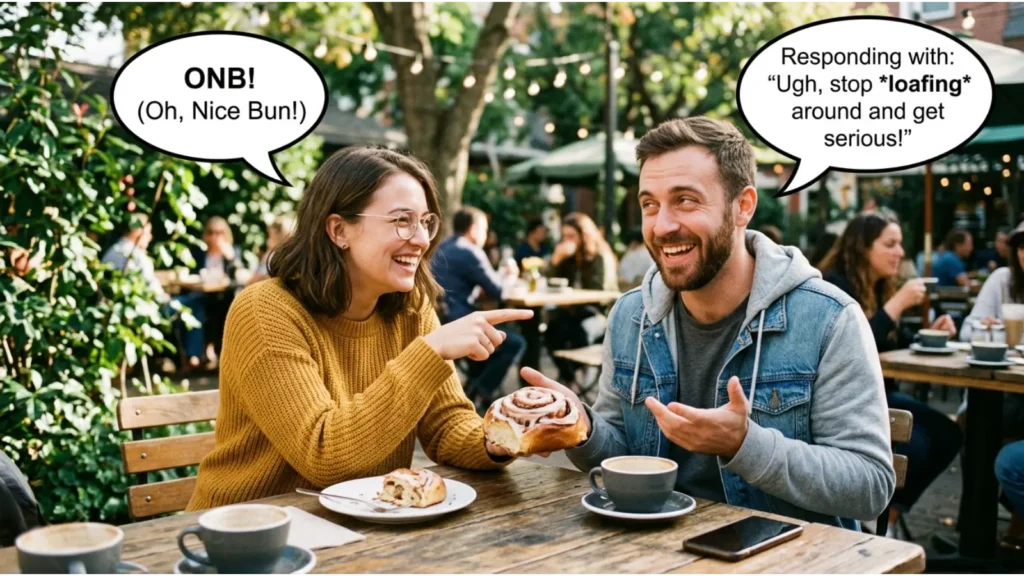
How to Respond When Someone Uses ONB
Matching someone’s energy socially matters more than people realize.
Casual Replies
• “I believe you.”
• “That’s crazy.”
• “Facts.”
• “You serious?”
Funny Replies
• “Why you swearing so hard?”
• “Bro activated dramatic mode.”
• “Not the ONB.”
Mature Replies
• “I understand what you mean.”
• “Thanks for being honest.”
• “That sounds frustrating.”
Respectful Replies
• “I hear you.”
• “That makes sense.”
• “I appreciate the honesty.”
Good communication online is often about emotional calibration.
Regional & Cultural Usage
Western Culture
In the United States and Western internet culture, ONB is heavily connected to youth slang, hip-hop influence, gaming culture, and TikTok communication.
Asian Culture
Many younger users in Asian countries adopt ONB through TikTok, gaming communities, and English-language memes.
Sometimes users know the emotional vibe without fully understanding the original cultural roots.
Middle Eastern Culture
English internet slang spreads rapidly through social apps. ONB often appears mixed with Arabic or Urdu texting styles among younger users online.
Global Internet Usage
Modern slang no longer stays local.
TikTok comments alone spread phrases globally within days.
That is why people worldwide now recognize slang they never grew up hearing in real life.
Generational Differences
Gen Z
Gen Z uses ONB naturally and emotionally.
For them, slang is identity, humor, emotional expression, and social belonging all at once.
Millennials
Millennials may understand it but use it less often.
Many prefer older slang like:
• “Seriously.”
• “I swear.”
• “For real.”
Older Generations
Older adults may find ONB confusing because internet slang changes faster than traditional communication patterns.
Every generation shapes language differently.
Online slang becomes a social fingerprint for digital identity.
Is ONB Safe for Kids?
Generally, ONB itself is not dangerous or inappropriate.
Most of the time, it is harmless slang used for emphasis or emotional expression.
However, parents should still understand the emotional side of internet communication.
Kids sometimes use dramatic slang during:
• peer pressure
• teasing
• online conflicts
• emotional overreactions
The phrase itself is usually harmless.
The context around it matters more.
Balanced communication and digital awareness are what really matter online.
FAQs
What does ONB mean in text?
ONB usually means “On Bro” or “On Blood,” and it is used to show seriousness, honesty, or emotional emphasis.
Is ONB rude?
Not always. It depends on tone and context. Friends often use it casually and jokingly.
What does ONB mean on TikTok?
On TikTok, ONB is commonly used for dramatic reactions, emotional storytelling, jokes, and exaggerated honesty.
Is ONB the same as “I swear”?
Basically yes. Both expressions emphasize truthfulness or emotional sincerity.
Can adults use ONB?
They can, but it is mostly associated with younger internet culture and Gen Z communication styles.
Should I use ONB at work?
Usually no. Professional communication works better with clear and formal language.
Conclusion
ONB is more than random internet slang.
It reflects how modern communication works emotionally online. People today do not just share information. They share tone, identity, attitude, vulnerability, humor, and social belonging through tiny phrases.
That is why a simple expression like ONB can instantly make a message feel more emotional, more believable, or more personal.
Internet slang changes constantly, but the emotional reason behind it stays the same:
People want to feel understood, trusted, noticed, and connected.
And sometimes three small letters carry all of that emotion at once.
Read More Posts:

I’m Luna Punster, a wordplay enthusiast who loves turning ordinary phrases into pun-tastic creations. I believe laughter is the best kind of connection, and puns make it even better. Writing witty and clever lines is my favorite way to spark smiles.
Through my playful words, I aim to sprinkle joy and humor everywhere I go.