WTW meaning in text is one of the most searched internet slang terms because people often see it in text messages, Snapchat, Instagram, TikTok, WhatsApp, and online gaming chats.
If someone suddenly sends you “WTW?” and you’re unsure how to reply, you’re not alone. Modern texting is filled with abbreviations that make conversations faster and more casual.
While some acronyms are easy to understand, others can be confusing without context. That’s why knowing the meaning of WTW can help you avoid misunderstandings and respond naturally.
If you’re chatting with friends, meeting new people online, or browsing social media, understanding this slang can improve your digital communication.
Quick Answer
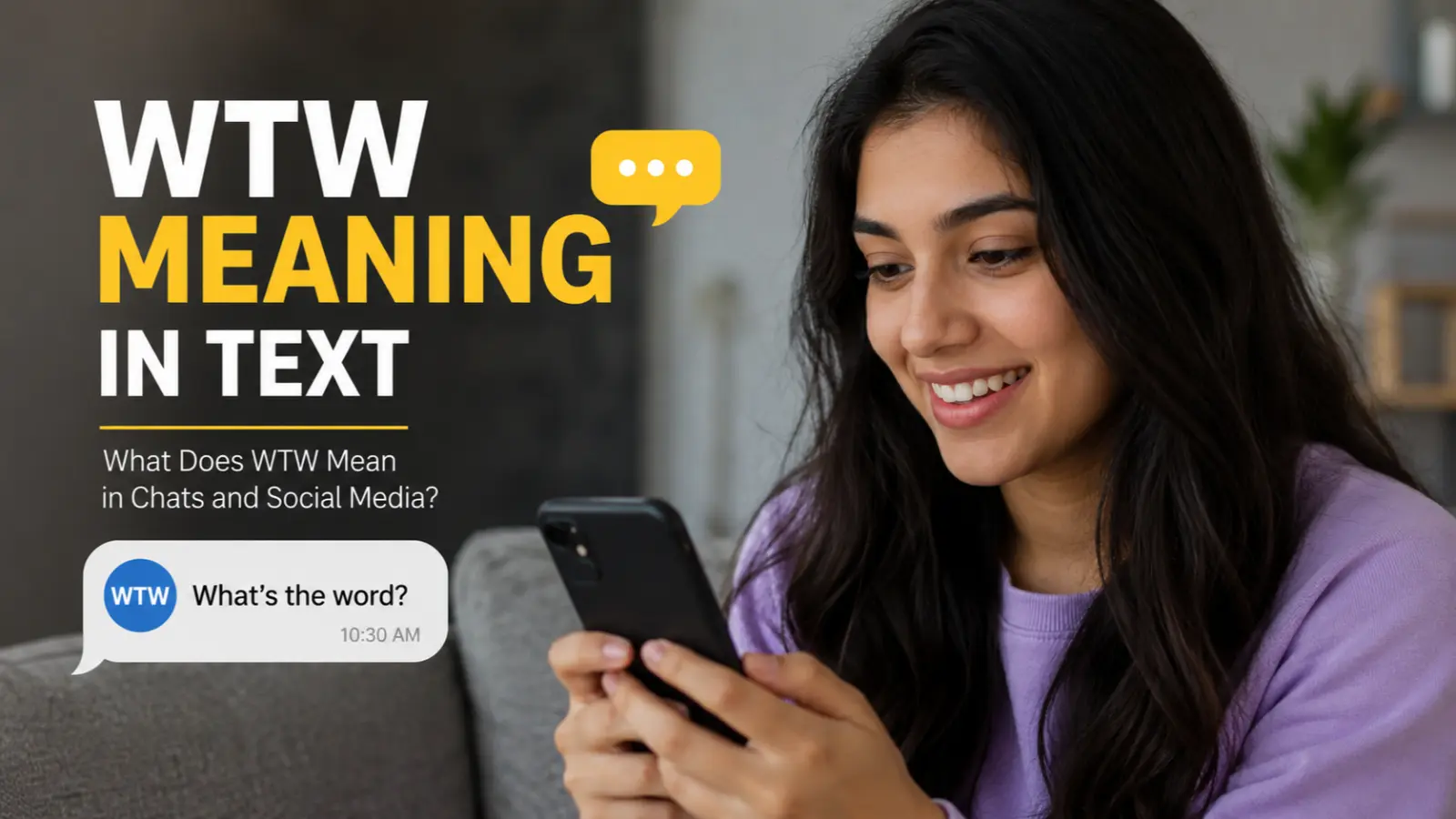
WTW usually stands for “What’s the Word?” In texting, it simply means “What’s going on?”, “What’s up?”, or “What’s the plan?” depending on the conversation.
What Does WTW Mean in Text?
The most common WTW meaning in text is:
What’s the Word?
Although the literal phrase is “What’s the Word?”, people use it much like these common greetings:
- What’s up?
- What’s happening?
- What’s going on?
- What’s the plan?
- Are you free?
- What are you doing?
It is an informal way to start a conversation or check in with someone.
WTW Full Form
The WTW full form is:
WTW = What’s the Word?
Many people also use it to ask:
- What’s happening?
- What’s new?
- What’s the move?
- Are we hanging out today?
The exact meaning depends on the conversation.
What Does WTW Stand For?
If you’ve searched “what does WTW stand for”, the answer is simple:
WTW stands for “What’s the Word?”
In everyday texting, however, people interpret it more naturally as:
- What’s up?
- What’s going on?
- What’s the plan?
WTW Meaning in Different Contexts
Between Friends
Friends often use WTW to check in.
Example:
Person A: WTW?
Person B: Nothing much. Just watching Netflix.
Making Plans
WTW can also ask whether someone wants to hang out.
Example:
WTW tonight?
Translation:
“What are we doing tonight?”
Social Media
On Snapchat or Instagram, someone may send WTW to start a conversation.
Example:
WTW? Haven’t talked in a while.
Online Gaming
Gamers sometimes use WTW before playing together.
Example:
WTW? You hopping online?
Dating
When texting someone you’re interested in, WTW often means:
- What are you doing?
- Want to talk?
- Want to meet up?
Is WTW Rude, Offensive, or Neutral?
WTW is considered neutral and friendly.
It is:
- ✅ Casual
- ✅ Informal
- ✅ Polite among friends
- ✅ Common on social media
It is not offensive or insulting.
However, because it’s very casual, it may not be appropriate for:
- Business emails
- Job applications
- Professional meetings
- Formal conversations
Where Is WTW Commonly Used?
You’ll often see WTW on:
- Snapchat
- TikTok
- Facebook Messenger
- Discord
- iMessage
- SMS texting
- Online gaming chats
Young adults and teenagers use it most frequently, although many adults also understand it.
Emotional and Psychological Meaning
WTW is more than just an abbreviation.
It often shows that someone wants to:
- Start a conversation
- Stay connected
- Check on a friend
- Make plans
- Reduce awkward silence
- Express interest in talking
Because it’s short and friendly, it creates an easy way to reconnect without sounding overly formal.
Origin and Background of WTW
WTW became popular with the rise of texting and instant messaging.
As smartphones and social media grew, people started shortening common phrases to type faster.
Over time, “What’s the Word?” evolved into a quick greeting that spread through:
- Hip-hop culture
- Online communities
- Snapchat
- TikTok
- Gaming platforms
Today, it’s widely recognized across social media.
Comparison with Similar Slang
| Slang | Full Form | Meaning | Best Used For |
|---|---|---|---|
| WTW | What’s the Word? | What’s up? What’s the plan? | Casual conversations |
| WYD | What You Doing? | Asking someone’s activity | Daily texting |
| WSP | What’s Up? | Greeting someone | Friendly chats |
| HMU | Hit Me Up | Contact me later | Making plans |
| SUP | What’s Up? | Informal greeting | Friends |
| YO | Hello | Quick greeting | Casual chats |
When to Use WTW
WTW is appropriate when:
- Talking to friends
- Messaging classmates
- Chatting on Snapchat
- Starting a conversation
- Asking someone about their plans
- Inviting someone out
Examples
- WTW today?
- WTW this weekend?
- WTW after school?
- WTW tonight?
When to Avoid Using WTW
Avoid using WTW in:
- Job interviews
- Business emails
- School assignments
- Professional presentations
- Customer service emails
Instead, use complete sentences.
For example:
Instead of:
WTW?
Say:
“Hello! How are you doing today?”
Polite Alternatives
If you want a more professional version, try:
- How are you?
- What’s new?
- How have you been?
- Are you available today?
- What are your plans?
- How’s everything going?
Why People Use WTW
People like WTW because it is:
- Quick
- Easy to type
- Friendly
- Informal
- Great for starting conversations
- Common among younger internet users
It helps conversations feel relaxed and natural.
Impact of Using Slang in Communication
Internet slang like WTW makes online conversations:
Positive Effects
- Faster communication
- More casual
- Easier to connect
- Friendly tone
Possible Downsides
- Can confuse older users
- Not suitable for formal settings
- May be misunderstood without context
The key is knowing your audience.
Is WTW Safe for Social Media?
Yes.
WTW is considered completely safe on:
- Snapchat
- TikTok
- Discord
It does not contain offensive language or inappropriate meaning.
Real-Life Conversation Examples
Friendly
Alex: WTW?
Jake: Just relaxing at home.
Casual
Emma: WTW this weekend?
Sarah: Let’s grab coffee.
Argumentative
Person A: WTW? Why are you ignoring my texts?
Person B: I’ve just been really busy.
Making Plans
Chris: WTW tonight?
Ryan: Let’s watch a movie.
Dating
Taylor: WTW later?
Jordan: I’d love to meet after work.
Gaming
Player 1: WTW?
Player 2: Ready for another match?
Common Misunderstandings
Some people mistakenly believe WTW means:
- What The What
- What’s The Way
- What’s The Weather
Although these interpretations occasionally appear, “What’s the Word?” is by far the most common meaning in texting.
Always use the conversation’s context to understand the intended meaning.
Variations and Types
You may also see:
- WTW?
- wtw
- WTW bro
- WTW tonight
- WTW later
- WTW gang
All carry the same basic meaning while adding context.
How to Respond When Someone Uses WTW
Here are some natural replies:
- Not much, you?
- Just working.
- I’m free today.
- Want to hang out?
- Nothing special.
- What’s up with you?
- Just chilling.
Your response depends on whether they’re asking about your day or making plans.
Regional and Cultural Usage
WTW is most common in:
- United States
- Canada
- United Kingdom
- Australia
It has also become popular worldwide through social media, gaming communities, and messaging apps.
Even non-native English speakers frequently use it because internet slang spreads quickly across platforms.
Frequently Asked Questions (FAQs)
What does WTW mean in text?
WTW usually means “What’s the Word?” It is another way of saying “What’s up?” or “What’s going on?”
What is the WTW full form?
The full form of WTW is “What’s the Word?”
Is WTW flirting?
Sometimes. If someone you’re interested in texts “WTW?”, they may simply be starting a conversation or asking if you’re free.
Is WTW rude?
No. WTW is generally friendly, casual, and not considered offensive.
Can I use WTW in professional messages?
No. It’s best to avoid slang like WTW in business emails or formal communication.
How should I reply to WTW?
You can respond naturally, such as:
- Not much.
- Just working.
- What’s up?
- I’m free if you want to hang out.
Conclusion
Understanding the WTW meaning in text helps you communicate more confidently in today’s digital world. The abbreviation most commonly stands for “What’s the Word?”, but in everyday conversations it usually means “What’s up?”, “What’s going on?”, or “What’s the plan?”
WTW is friendly, informal, and widely used on social media, texting apps, and gaming platforms. While it’s perfect for casual conversations with friends, it’s best to avoid using it in professional or formal situations.
Knowing the meaning, context, and proper usage of WTW allows you to reply naturally, avoid confusion, and keep your online conversations engaging and enjoyable.