What do PMO mean in text is a question many people ask when they come across this short slang in messages, social media, or gaming chats.
In today’s fast-moving digital world, abbreviations like PMO are everywhere, and understanding them helps you stay connected and avoid confusion.
If you’re texting friends or scrolling through online comments, knowing what PMO means can make conversations clearer and more engaging.
People search for this term because its meaning can change depending on the context.
Sometimes it sounds harmless, while in other situations, it may come across as rude or aggressive. That’s why it’s important to understand how and when to use it properly.
⚡ Quick Answer:
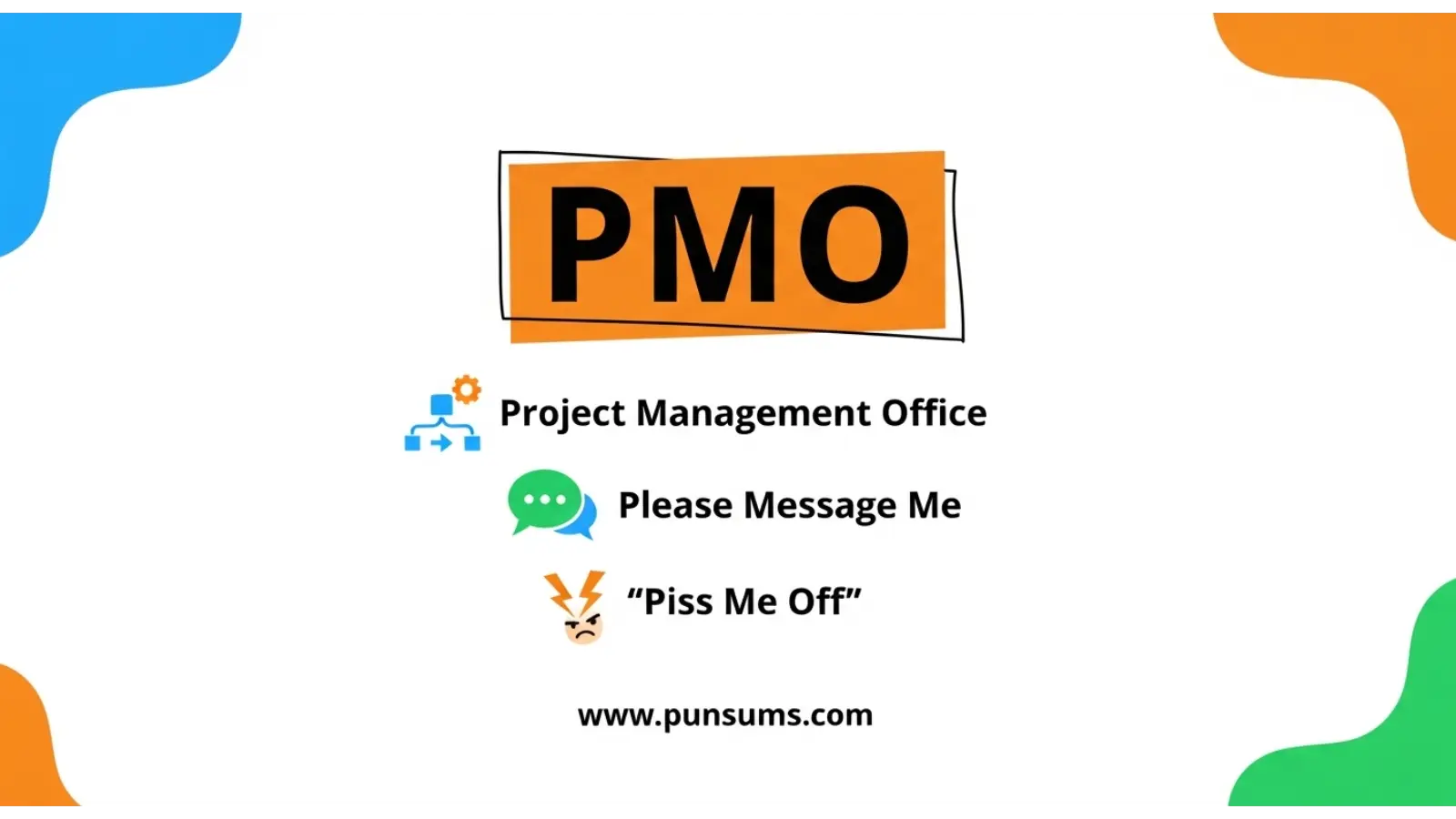
PMO in text usually means “Piss Me Off,” which expresses annoyance or frustration. In some contexts, it can also mean “Put Me On,” meaning to introduce or recommend something.
Example:
“PMO to some good Netflix shows!” means “Recommend some good Netflix shows to me.”
What Does PMO Mean in Text
The meaning of PMO in text depends heavily on how it is used. The most common interpretation is:
• Piss Me Off – used to show irritation or anger
• Put Me On – used to ask for recommendations or introductions
For example, if someone says “That really PMO,” they are expressing frustration. But if they say “PMO to new music,” they are asking for suggestions.
PMO Full Form and Definition
The PMO full form can vary based on the conversation:
• Piss Me Off – emotional expression of annoyance
• Put Me On – request for sharing or recommending something
Understanding the tone of the message is key to interpreting the correct meaning.
Is PMO Rude, Offensive, or Neutral
PMO is not always rude, but it can be depending on usage.
• When used as “Piss Me Off,” it can sound aggressive or negative
• When used as “Put Me On,” it is casual and friendly
• In professional settings, it is best avoided
If you are unsure about the tone, it’s safer to avoid using it in formal conversations.
Where Is PMO Commonly Used
PMO is widely used in digital communication spaces such as:
• Text messages between friends
• Social media platforms like Instagram, TikTok, and Twitter
• Online gaming chats
• Casual online communities
It is rarely used in emails or professional communication.
Real-Life Examples of Usage
Friendly Context
• “Hey, PMO to some good Netflix shows.”
• “Can you PMO to that song you were talking about?”
Casual Context
• “This heat is starting to PMO.”
• “Don’t let small things PMO.”
Argumentative Context
• “You really PMO when you don’t listen.”
• “Stop doing things that PMO.”
Gaming or Social Media Context
• “PMO to better weapons in this game.”
• “Lag always PMO during matches.”
These examples show how tone changes meaning.
Origin and Background of PMO
PMO is part of modern internet slang that evolved from casual speech into texting shorthand. As communication became faster, people began shortening phrases to save time. “Piss Me Off” has been around for decades, but “PMO” gained popularity with texting and social media culture.
“Put Me On” emerged more recently, especially in music and influencer culture, where people often ask for recommendations.
Comparison with Similar Slang
Here’s a quick comparison of PMO with other similar slang terms:
| Slang | Meaning | Tone | Usage |
|---|---|---|---|
| PMO | Piss Me Off / Put Me On | Negative or Friendly | Depends on context |
| IMO | In My Opinion | Neutral | Sharing views |
| SMH | Shaking My Head | Mild frustration | Reaction |
| IDK | I Don’t Know | Neutral | Casual reply |
| TBH | To Be Honest | Honest tone | Opinion sharing |
This table helps you see how PMO fits into everyday slang usage.

When to Avoid Using PMO
There are situations where using PMO may not be appropriate:
• In professional or workplace communication
• When talking to someone you don’t know well
• In formal writing or academic work
• When you want to avoid sounding rude
Using clear and respectful language is always better in such cases.
Polite Alternatives to PMO
If you want to avoid sounding harsh, here are better alternatives:
Instead of “That really PMO,” say:
• “That’s frustrating”
• “That’s annoying”
• “I didn’t like that”
Instead of “PMO to something,” say:
• “Can you recommend something?”
• “Suggest something for me”
These alternatives sound more polite and professional.
Why People Use PMO
People use PMO for several reasons:
• It saves time while typing
• It feels more casual and relatable
• It fits modern texting culture
• It helps express emotions quickly
Slang like PMO makes conversations feel more natural among friends.
Impact of Using Slang in Communication
Using slang like PMO can have both positive and negative effects:
Positive Impact
• Makes conversations faster
• Builds connection in casual chats
• Adds personality to messages
Negative Impact
• Can cause misunderstandings
• May sound rude or unprofessional
• Not suitable for all audiences
Understanding your audience is key when using slang.
Is PMO Safe for Social Media
Yes, PMO is generally safe for social media if used carefully.
• It is widely understood among younger audiences
• It should be used in the right context
• Avoid using it in controversial or sensitive discussions
Always consider how your message might be interpreted by others.
FAQs
What does PMO stand for in text
PMO stands for “Piss Me Off” or “Put Me On,” depending on the context of the conversation.
Is PMO a bad word
It can be slightly offensive when used to express anger, but it is not always considered inappropriate.
How do I know which meaning of PMO is being used
Look at the sentence and tone. If it shows frustration, it means “Piss Me Off.” If it asks for suggestions, it means “Put Me On.”
Can I use PMO in professional messages
No, it is better to avoid slang like PMO in professional or formal communication.
Is PMO popular among teenagers
Yes, it is commonly used by teenagers and young adults in texting and social media.
Are there safer alternatives to PMO
Yes, you can use polite phrases like “recommend,” “suggest,” or “that’s frustrating” instead.
Conclusion
Understanding what do PMO mean in text helps you communicate more clearly in today’s digital world. This slang can either express frustration or request recommendations, depending on how it is used. While it’s popular in casual conversations, it’s important to use it carefully to avoid misunderstandings or sounding rude.
Always consider the context, audience, and tone before using PMO. When in doubt, choosing clearer and more polite language is the best approach. By doing so, you can keep your communication effective, respectful, and easy to understand.
Read More Posts:

I’m Miles Mirth, a humor-loving writer with a passion for clever puns and cheerful wordplay. I find joy in crafting lines that make people grin, giggle, and groan in delight. For me, laughter is life’s brightest spark, and I love sharing it through my writing. Every pun I create is a little dose of happiness meant to brighten your day.