You’re scrolling through messages late at night when suddenly someone replies with:
“IMS 😭”
Or maybe:
“Bro… ims.”
And now you’re sitting there wondering:
What does “IMS” even mean?
Is it good?
Bad?
Flirty?
Sarcastic?
Some hidden Gen Z code?
That confusion is exactly why so many people search this phrase. Internet slang moves ridiculously fast. One week everyone is saying “delulu,” the next week it’s “IMS,” and suddenly entire conversations sound like encrypted emotional chaos.
What makes it even trickier is that “IMS” can change meaning depending on the vibe, relationship, tone, and platform. On TikTok it may feel dramatic or emotional. In texting, it can sound casual, funny, or even slightly awkward. Sometimes it’s affectionate. Other times it’s just internet shorthand moving at lightning speed.
And honestly? Most people aren’t just searching for the definition. They’re trying to understand the feeling behind it.
👉 Let’s break it down in a way that actually makes sense.
what does ims mean in text – Quick Definition
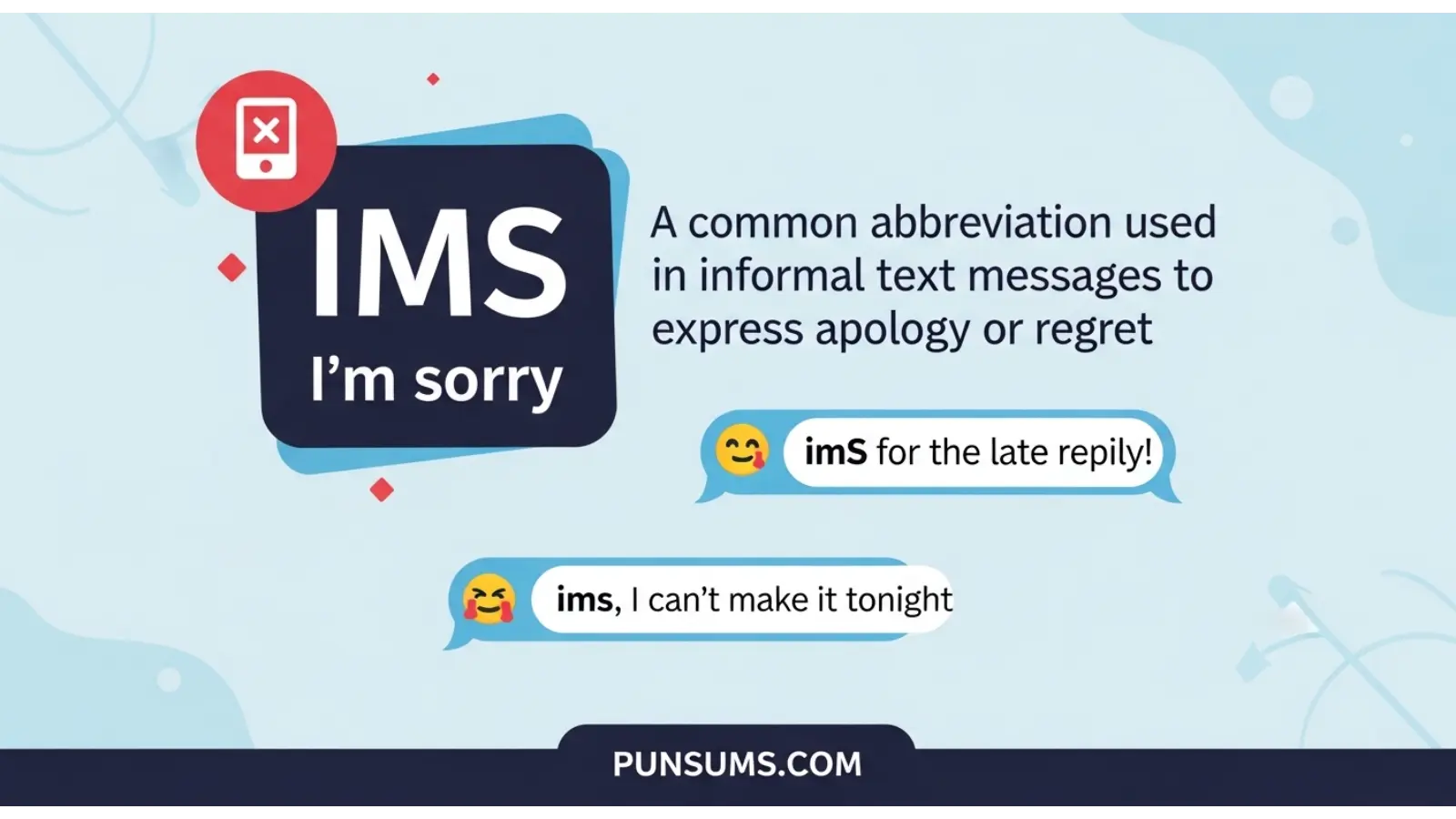
“IMS” usually stands for:
“I’m Saying”
It’s a shortened texting slang people use while chatting online, especially in fast conversations on social media, TikTok comments, Instagram DMs, Snapchat, or group chats.
Example:
“IMS you should’ve stayed home 😭”
Translation:
“I’m saying you should’ve stayed home.”
But that’s not the only meaning.
Depending on context, “IMS” can also signal:
• Agreement
• Emotional emphasis
• Sarcasm
• Frustration
• Validation
• Internet humor
• Casual confidence
• Dramatic storytelling
Some people also use it almost like saying:
• “Exactly.”
• “That’s what I mean.”
• “See what I’m talking about?”
Here are a few quick examples:
“IMS that movie was actually sad.”
Meaning:
The speaker is emotionally agreeing or emphasizing their opinion.
“IMS he was acting weird the whole time.”
Meaning:
They’re pointing something out socially or emotionally.
“IMS y’all ignored every red flag.”
Meaning:
Playful criticism mixed with humor.
At its core, “IMS” is about emphasizing a thought while sounding casual, socially aware, and emotionally expressive.

Origin & Background
Like most internet slang, “IMS” didn’t appear from nowhere.
It evolved naturally from fast texting culture where people shorten phrases to type quicker and sound more relaxed online. Similar abbreviations like “IMO” (In My Opinion), “NGL” (Not Gonna Lie), and “FR” (For Real) created the perfect environment for “IMS” to spread.
The phrase “I’m saying” has existed in spoken conversation for years. People used it verbally to emphasize agreement or make a point stronger.
Example:
“I’m saying! That’s exactly what I meant.”
Eventually, internet users shortened it into “IMS” because typing full phrases online feels slower, especially in fast-paced group chats or TikTok comment wars.
TikTok helped push the slang even further. Short-form video culture rewards quick emotional reactions. Users needed tiny phrases that could communicate personality instantly.
That’s where “IMS” exploded.
Meme culture also influenced the phrase. Online humor now depends heavily on reaction language. Slang isn’t just about information anymore — it’s about emotional tone.
And honestly, that’s the fascinating part about internet language.
Online slang changes so fast because people are constantly inventing new ways to sound emotionally expressive without writing long sentences.
Real-Life Conversations
WhatsApp Chat
Friend 1:
“I think she still likes him.”
Friend 2:
“IMS 😭 she literally watches his stories instantly.”
Emotional meaning:
Agreement mixed with dramatic observation.
Instagram DMs
“IMS your outfit actually ate.”
Meaning:
A compliment delivered casually and confidently.
TikTok Comments
“IMS this generation is tired 😭”
Meaning:
Collective emotional expression with humor.
Group Chat
“IMS we all knew he was lying.”
Meaning:
Social awareness and shared understanding.
Text Messages
“IMS you deserve better.”
Meaning:
Supportive emotional validation.
What’s interesting is that “IMS” often feels emotionally softer than directly saying something serious. It creates conversational comfort while still making a strong point.
That emotional flexibility is why people keep using it.
Emotional & Psychological Meaning
This is where internet slang gets deeper than most people realize.
“IMS” isn’t just shorthand.
It’s social positioning.
When someone says “IMS,” they’re usually doing one of these things emotionally:
• Seeking agreement
• Emphasizing emotional truth
• Creating social connection
• Protecting themselves with humor
• Sounding confident without sounding aggressive
• Expressing awareness
It works almost like emotional cushioning.
For example:
“You’re overthinking him… IMS he barely texts first.”
That sentence feels softer than directly criticizing someone’s relationship.
Online communication changed how people express emotions. Instead of sounding too intense, slang allows people to communicate feelings indirectly.
That’s psychologically important.
A lot of Gen Z communication especially relies on emotional shorthand. People want to sound emotionally intelligent without appearing overly serious.
Mini-story example:
Imagine your friend keeps talking about someone clearly giving mixed signals. Everyone in the group chat sees it.
One friend finally types:
“IMS he likes attention more than commitment 😭”
Suddenly everyone reacts with laughing emojis because the truth landed emotionally without sounding harsh.
That’s the deeper psychology behind it.
Usage in Different Contexts
Social Media
On TikTok, Instagram, and Snapchat, “IMS” often sounds expressive, dramatic, or humorous.
Example:
“IMS this song healed me emotionally.”
The phrase adds personality and emotional intensity.
Friends & Relationships
Among friends, it usually signals agreement or emotional honesty.
Example:
“IMS you’ve been nicer lately.”
In relationships, it can sound teasing, affectionate, or emotionally observant.
Example:
“IMS you act different when they text you 👀”
Work or Professional Settings
This is where slang becomes risky.
Using “IMS” in professional emails or formal conversations can confuse people unfamiliar with texting culture.
Example to avoid:
“IMS the meeting could’ve been shorter.”
That sounds too casual for workplace communication.
Casual vs Serious Tone
Casual tone:
“IMS that was hilarious.”
Serious tone:
“IMS you should prioritize your mental health.”
Context changes emotional weight completely.
When NOT to Use It
Even harmless slang can create confusion in the wrong environment.
Avoid using “IMS” in:
• Professional emails
• Academic writing
• Formal interviews
• Serious emotional conflicts
• Conversations with people unfamiliar with internet slang
• Cross-cultural communication where abbreviations may confuse meaning
Imagine explaining an important issue and casually throwing “IMS” into the message. Some people may think you’re not taking the conversation seriously.
Slang depends heavily on shared cultural understanding.
👉 Context protects meaning.
Common Misunderstandings
“IMS” Always Means Something Rude
Not true.
Most of the time it’s casual emphasis or agreement.
It Has Only One Meaning
Internet slang constantly changes depending on platform and tone.
It’s Always Gen Z Humor
Millennials and even older users sometimes adopt slang after repeated exposure online.
It Means the Same Everywhere
Different communities interpret slang differently.
TikTok usage may feel emotional while gaming chats may use it more casually.
It’s Always Serious
Sometimes people use “IMS” ironically or sarcastically for comedic effect.
Comparison Table
| Expression | Meaning | Tone | Usage Context |
|---|---|---|---|
| IMS | I’m saying | Emphatic, casual | Texting, TikTok, chats |
| FR | For real | Agreement | Social media, texting |
| NGL | Not gonna lie | Honest opinion | Conversations, memes |
| IMO | In my opinion | Thoughtful | Discussions, debates |
| TBH | To be honest | Personal honesty | Emotional conversations |
| ISTG | I swear to God | Intense emotion | Frustration or humor |
The emotional difference matters a lot.
“IMS” feels socially conversational.
“IMO” feels more formal.
“FR” feels more reactive.
“NGL” feels emotionally confessional.
Tiny wording changes create completely different emotional vibes online.
Variations & Types
Internet slang mutates constantly, and “IMS” is no exception.
Playful Versions
• “IMS 😭”
Adds dramatic emotion.
• “IMS broooo.”
Adds humor or disbelief.
Sarcastic Versions
“IMS he’s definitely a genius…”
Used ironically to mock behavior.
Emotional Versions
“IMS I actually miss those days.”
Feels nostalgic or vulnerable.
Meme Variations
People exaggerate slang intentionally online:
“IMS THIS IS CINEMA 😭”
That overdramatic style is classic internet humor.
Extended Forms
Some users skip the abbreviation entirely and type:
“I’m sayingggg.”
Extra letters usually increase emotional intensity.
How to Respond When Someone Uses It
Casual Replies
• “Exactly.”
• “That’s what I meant.”
• “Right??”
• “You get it.”
Funny Replies
• “IMS and nobody listened 😭”
• “Louder for the people in the back.”
• “You finally understand.”
Mature Replies
• “I understand your point.”
• “That actually makes sense.”
• “Fair observation honestly.”
Respectful Replies
• “I see what you mean.”
• “That’s a valid perspective.”
• “I understand why you feel that way.”
Matching someone’s energy socially matters more than people think.
Too serious can feel awkward.
Too jokey can feel dismissive.
Internet communication is basically emotional timing.
Regional & Cultural Usage
Western Culture
In Western social media culture, “IMS” often appears casually in humor, reactions, or emotionally expressive conversations.
TikTok especially normalized this style of shorthand communication.
Asian Culture
Asian internet users sometimes adopt global slang while mixing it with local online language styles.
K-pop fandom spaces and gaming communities helped spread many English abbreviations internationally.
Middle Eastern Culture
Young users in Middle Eastern online spaces often blend English slang with Arabic expressions, creating hybrid internet communication styles.
“IMS” may appear alongside regional humor or bilingual texting.
Global Internet Usage
Social media erased many language borders.
Now slang spreads internationally within hours through memes, viral videos, gaming culture, and reaction content.
That’s why even people outside English-speaking countries understand terms like “IMS.”
Generational Differences
Gen Z
Gen Z uses slang like emotional punctuation.
For them, abbreviations aren’t laziness — they’re identity signals.
“IMS” sounds natural, expressive, and socially aware.
Millennials
Millennials usually understand the slang but may use it less frequently.
Their internet language came from earlier texting eras like:
• LOL
• BRB
• OMG
Older Generations
Older users may find abbreviations confusing or emotionally vague.
Some interpret slang as unserious even when emotional meaning exists underneath.
Language often reveals generational internet identity.
Is It Safe for Kids
Generally, yes.
“IMS” is considered harmless internet slang in most situations.
However, parents should still understand how slang affects online communication emotionally.
Potential concerns include:
• Sarcastic teasing
• Group chat pressure
• Miscommunication
• Emotional exaggeration online
Most usage is playful or conversational, but context always matters.
Teaching kids emotional awareness online is more important than banning harmless slang.
FAQs
What does IMS mean in text?
Usually, “IMS” means “I’m saying.” It’s used to emphasize agreement, opinions, or emotional reactions in conversations.
Is IMS rude?
Not usually. Tone determines whether it sounds supportive, funny, sarcastic, or critical.
Why do people use IMS on TikTok?
TikTok culture favors fast emotional communication. “IMS” helps users react quickly while sounding expressive and relatable.
Can IMS be used while flirting?
Yes. Sometimes people use it playfully in romantic conversations.
Example:
“IMS you look good today 👀”
Is IMS only used by Gen Z?
Mostly Gen Z and younger millennials use it frequently, but internet slang spreads across all age groups over time.
Should I use IMS at work?
Probably not in formal communication. Casual team chats might tolerate it, but professional settings usually require clearer language.
Conclusion
So, what does “IMS” mean in text?
Most commonly, it means “I’m saying.”
But emotionally, it means much more than that.
It can signal agreement, emotional emphasis, sarcasm, humor, confidence, social awareness, or even subtle vulnerability. That’s why this tiny abbreviation became so popular online. It compresses emotion into just three letters.
Modern internet slang isn’t random anymore.
It’s emotional shorthand.
People use phrases like “IMS” because digital conversations move fast, emotions feel layered, and everyone wants to sound relatable without typing entire paragraphs.
And honestly, that’s what makes internet language fascinating.
Behind every tiny slang term is usually a very human desire:
to be understood quickly, emotionally, and socially.
Read More Posts:
What Does HB Mean in Text from a Girl Meaning in Text

I’m Miles Mirth, a humor-loving writer with a passion for clever puns and cheerful wordplay. I find joy in crafting lines that make people grin, giggle, and groan in delight. For me, laughter is life’s brightest spark, and I love sharing it through my writing. Every pun I create is a little dose of happiness meant to brighten your day.