If you spend time on social media or messaging apps, you may have seen someone say “I have FOMO” or “Don’t give me FOMO.” Many people use this short slang in texts, captions, and online conversations. It is especially common among friends who share photos, plans, or exciting updates. Understanding the meaning helps you follow modern online conversations more easily.
In simple terms, FOMO is a popular internet slang that describes the feeling of missing out on something fun or important. Teenagers, young adults, and even brands use it when talking about events, trends, or activities they wish they could join. In this guide, you will learn the exact meaning of FOMO in text, how people use it in conversations, and when it is appropriate to say it.
Quick Answer
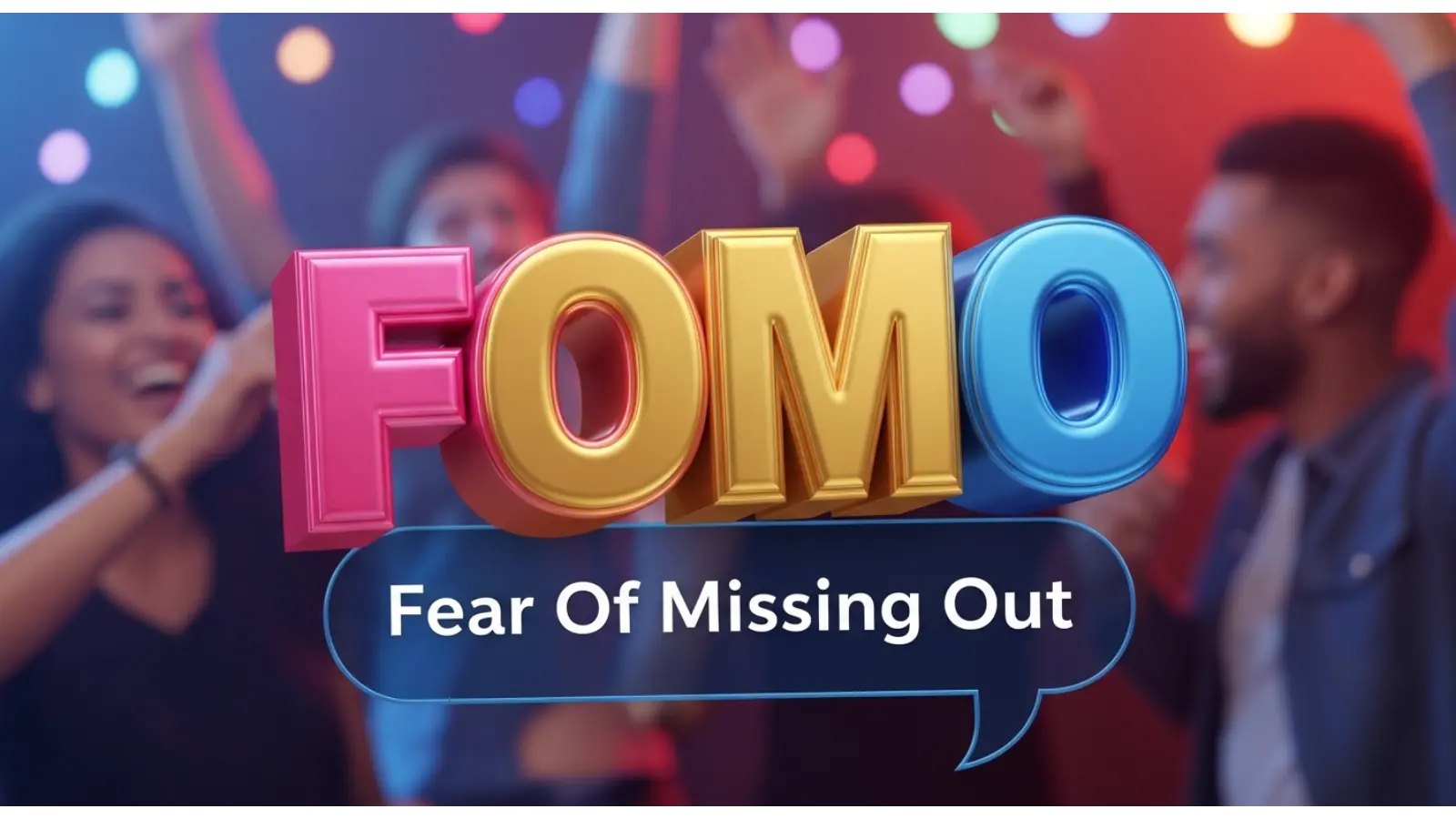
FOMO in text means “Fear Of Missing Out.”
It describes the feeling that others are enjoying something exciting while you are not part of it.
People usually say FOMO when they see friends hanging out, attending events, or doing something interesting online.
Example:
“I saw your beach photos and got serious FOMO.”
What Does FOMO Mean in Text
The slang FOMO stands for Fear Of Missing Out. It refers to the emotional feeling that you might be missing an enjoyable experience that others are having.
This term became popular through social media platforms where people constantly share photos, stories, and updates. When someone sees their friends traveling, attending parties, or enjoying an activity without them, they might say they have FOMO.
In texting, the abbreviation helps people express that feeling quickly. Instead of writing a long explanation, they simply type FOMO to show they wish they were there too.
Example message
“My friends are going to the concert tonight and I’m stuck studying. I have major FOMO.”
The word does not always mean sadness. Sometimes it is said playfully when someone wishes they could join a fun activity.
Full Form of FOMO
The full form of FOMO is Fear Of Missing Out.
Each word explains the idea behind the slang.
Fear
This refers to the worry that something exciting is happening somewhere else.
Of
A linking word that connects the phrase.
Missing
This means not being part of something.
Out
It refers to losing the chance to experience the event.
Together, the phrase describes the uncomfortable feeling people get when they think others are enjoying something while they are not included.
Because this feeling became very common in the digital age, the short form FOMO quickly spread across texting and social media.
How FOMO Is Used in Text Messages
People often use FOMO in casual conversations with friends. It usually appears when someone sees pictures, plans, or updates about an event they cannot attend.
Here are some common ways it appears in texts.
“I’m getting FOMO seeing everyone at the festival.”
“Stop posting food pictures. My FOMO is real.”
“You’re all at the party without me. Huge FOMO.”
“Your travel stories are giving me serious FOMO.”
In these examples, the slang shows curiosity, excitement, or playful jealousy. It communicates emotions quickly and clearly in just one short word.
Real Conversation Examples
Understanding slang becomes easier when you see how people use it in real conversations. Below are simple texting examples that show the natural use of FOMO.
Example 1
Friend 1: “We’re watching the new movie tonight.”
Friend 2: “That sounds amazing. I already have FOMO.”
Example 2
Person A: “Just posted photos from the beach trip.”
Person B: “I saw them. Now I have major FOMO.”
Example 3
Friend 1: “Everyone is meeting for pizza later.”
Friend 2: “Invite me or I’ll get FOMO.”
Example 4
Person A: “The concert was incredible.”
Person B: “Now you’re giving me FOMO.”
These examples show how the slang naturally fits into casual texting conversations.
Is FOMO Casual, Formal, or Flirty
The word FOMO is mostly casual slang. People use it when chatting with friends, classmates, or followers online.
Casual use
Most commonly used in friendly conversations or social media captions.
Flirty use
Sometimes people use it in a playful way with someone they like.
Example
“You went out without me. Now I have FOMO.”
In this case, the message can sound playful or teasing.
Formal use
FOMO is not usually appropriate in professional emails or serious conversations. It is best used in relaxed and informal situations.
Understanding the tone helps you use the slang correctly without sounding out of place.
Why FOMO Became So Popular
The popularity of FOMO grew rapidly with the rise of social media. Platforms like Instagram, TikTok, and Snapchat allow people to constantly share their experiences.
When users see friends posting exciting moments such as vacations, parties, or concerts, they sometimes feel left out. The word FOMO perfectly describes that emotion in a short and simple way.
Several reasons explain why the term became so common.
Social media sharing
People constantly see highlights from others’ lives.
Quick texting language
Short abbreviations make online communication faster.
Relatable emotion
Almost everyone has felt left out at some point.
Because of these reasons, the term is now widely used across the internet.
Similar Slang Words to FOMO
If you enjoy learning internet slang, you may also notice other abbreviations that appear in texts and online conversations.
YOLO
This means “You Only Live Once.” People say it when encouraging someone to try something exciting.
OMO
This means “On My Own.” It appears less frequently but is sometimes used in casual chats.
JOMO
This stands for “Joy Of Missing Out.” It describes the opposite feeling of FOMO, when someone enjoys staying home instead of attending an event.
Example
“Everyone went to the party but I had JOMO relaxing at home.”
Learning these related terms helps you understand online conversations more clearly.
When You Should Use FOMO
Using FOMO in the right situation makes your messages sound natural and relatable.
You can use it when you see friends doing something exciting.
Example
“You guys are hiking today. I have FOMO.”
You can also use it when encouraging someone to invite you.
Example
“Don’t forget to call me next time or I’ll get FOMO.”
Sometimes people use it humorously when watching events online.
Example
“Everyone is posting vacation photos and my FOMO is growing.”
These simple situations show how flexible the slang can be.
Common Mistakes When Using FOMO
Even though the slang is easy to understand, a few common mistakes appear in online conversations.
Using it in formal settings
Professional emails or academic writing usually avoid slang like FOMO.
Confusing it with jealousy
FOMO does not always mean jealousy. Often it simply expresses curiosity or playful regret.
Writing it incorrectly
The correct spelling is FOMO in capital letters, though many people also type it in lowercase during casual chats.
Avoiding these mistakes will help you use the slang naturally.
Why Understanding Text Slang Matters
Modern communication has changed significantly because of texting and social media. Abbreviations like FOMO allow people to express feelings quickly and efficiently.
Learning these terms can help you in several ways.
You understand online conversations faster.
communicate more naturally with friends.
You stay updated with internet culture.
For anyone active on messaging apps or social platforms, knowing common slang makes digital communication easier and more enjoyable.
Final Thoughts
Now you know the answer to the question “What does FOMO mean in text?” The abbreviation stands for Fear Of Missing Out, a feeling many people experience when they see others enjoying something they are not part of.
In texting and social media, FOMO is a quick way to express that emotion in a casual and friendly tone. It appears in conversations about parties, trips, concerts, and other fun activities.
By understanding how this slang works, you can easily recognize it in messages and even use it naturally in your own chats. As internet language continues to evolve, learning common abbreviations like FOMO helps you stay connected with modern digital culture.

I’m Lexi Laffs, a cheerful writer who loves adding humor and heart to every message I create. I enjoy crafting playful wishes and puns that make people smile and laugh. My words are all about spreading positivity and lighthearted fun. Through my writing, I hope to brighten your day—one laugh at a time.