If you spend time texting, scrolling through social media, or chatting in group messages, you may have seen the abbreviation SMH pop up in conversations. Many people use it when reacting to something surprising, disappointing, or even a little silly. Because texting slang evolves quickly, understanding common abbreviations helps you follow online conversations more easily and respond naturally.
The phrase SMH is widely used on platforms like Instagram, TikTok, Snapchat, and messaging apps. It expresses a feeling rather than a full sentence, which makes communication faster and more casual. This guide explains exactly what SMH means in text, how people use it, and when it fits into everyday online conversations.
Quick Answer
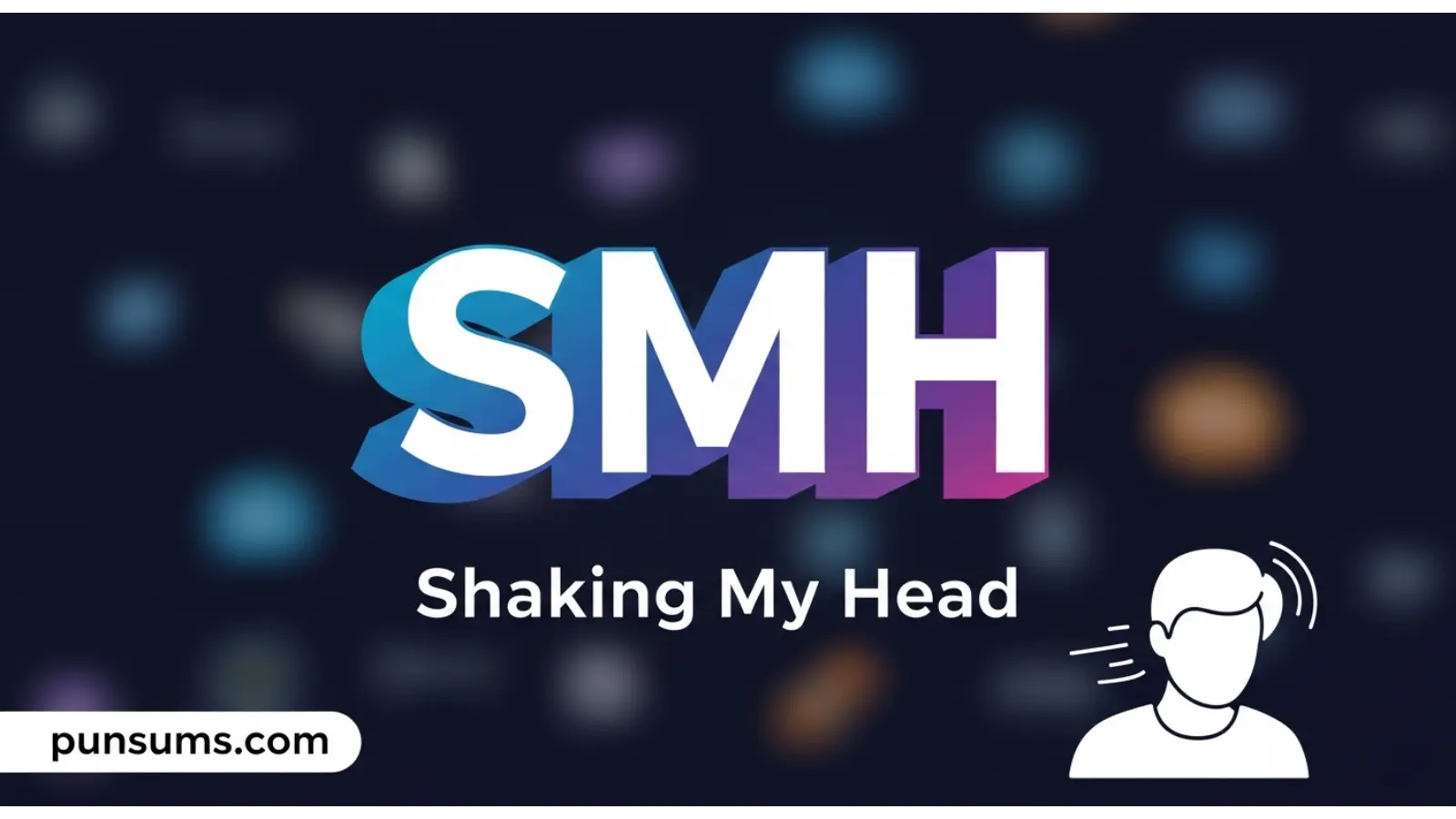
SMH means “Shaking My Head.”
People use it to show disappointment, disbelief, frustration, or mild embarrassment about something someone said or did.
Example in text:
“I can’t believe he forgot his own birthday party. SMH.”
What Does SMH Mean in Text
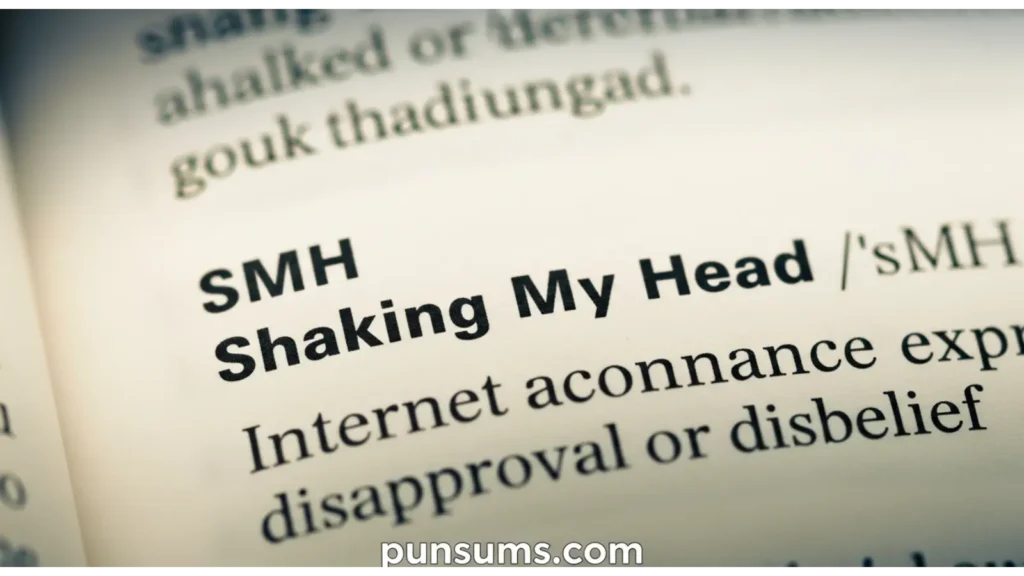
The abbreviation SMH stands for “Shaking My Head.” It represents the physical action of shaking your head when you feel disbelief, disappointment, or frustration. In texting, it helps express emotion without writing a long explanation.
When someone writes SMH, they usually react to a situation that seems silly, careless, or unbelievable. Instead of typing a full sentence like “That is disappointing,” they simply add SMH to show their reaction quickly.
For example:
“My friend studied for two minutes and expected to pass the exam. SMH.”
Here, the person is expressing disbelief and mild frustration about the situation.
Full Form of SMH
The full form of SMH is Shaking My Head. The phrase comes from the real-life gesture people make when they feel disappointed or cannot believe something.
In everyday communication, shaking your head often means you disagree or feel frustrated. Online messaging copied this gesture into a short abbreviation so people could express the same reaction in digital conversations.
Over time, SMH became one of the most common slang abbreviations used across texting platforms and social media communities.
How SMH Is Used in Texting
People usually place SMH at the beginning or end of a sentence to show their reaction. It often appears when someone is surprised by a bad decision, a funny mistake, or something that makes no sense.
Common situations where people use SMH include reacting to silly mistakes, responding to unbelievable stories, expressing disappointment in someone’s actions, or commenting on frustrating news.
For example:
“You forgot your wallet again? SMH.”
Another example:
“SMH, the internet stopped working right before my meeting.”
In both cases, SMH communicates frustration or disbelief without needing a long explanation.
Examples of SMH in Conversations
Seeing examples makes it easier to understand how the abbreviation fits into real messages.
Example conversation one:
Friend 1: “I stayed up all night watching shows instead of studying.”
Friend 2: “SMH, the exam is tomorrow.”
Example conversation two:
Friend 1: “He tried to open the door with the wrong key for five minutes.”
Friend 2: “SMH, that sounds like him.”
Example conversation three:
Friend 1: “I accidentally sent my boss a meme instead of the report.”
Friend 2: “SMH, that must have been awkward.”
These examples show that SMH usually responds to surprising or frustrating situations.
Is SMH Positive or Negative
In most situations, SMH carries a slightly negative tone. It often signals disappointment, disbelief, or mild frustration.
However, the tone is usually light and casual rather than serious or angry. Friends sometimes use SMH jokingly when someone makes a harmless mistake.
For example:
“You ordered dessert before dinner? SMH.”
In this case, the message sounds playful rather than critical.
Context matters a lot. The same abbreviation can sound humorous among friends but slightly critical in other situations.
Is SMH Casual or Formal
SMH is a casual internet slang expression. It belongs in informal conversations such as texting, online chats, social media comments, and friendly messages.
People rarely use SMH in professional communication. Writing it in emails, work messages, or formal documents might appear unprofessional.
For example, a message to a friend might say:
“SMH, the bus left early again.”
A professional email would instead say something like:
“I am disappointed the bus left earlier than scheduled.”
Choosing the right tone helps keep communication appropriate for different situations.
When You Should Use SMH
You can use SMH when reacting to something surprising, disappointing, or slightly frustrating. It works well in relaxed conversations where people understand internet slang.
Common situations include commenting on funny mistakes, reacting to unbelievable stories, responding to frustrating events, or joking with friends about silly decisions.
For example:
“My phone battery died right before the photo. SMH.”
The phrase keeps the conversation light while still expressing a clear reaction.
When You Should Avoid Using SMH
Although SMH is popular online, it does not fit every situation. Avoid using it in professional emails, formal messages, academic writing, or conversations with people who may not understand internet slang.
Older audiences or professional environments often prefer clear, full sentences instead of abbreviations.
Using SMH in the wrong context might confuse readers or make the message appear careless.
Similar Slang Words to SMH
The internet contains many abbreviations that express reactions or emotions. Some are similar to SMH and appear in the same types of conversations.
LOL means laughing out loud and shows amusement.
OMG means oh my gosh and expresses surprise.
IKR means I know right and shows agreement.
WTF expresses strong confusion or disbelief.
These slang expressions help people communicate emotions quickly during online conversations.
Why SMH Became So Popular
Short abbreviations became popular because they make communication faster. Social media platforms and messaging apps encourage quick replies, so people often shorten phrases into simple acronyms.
SMH works well because it expresses a clear emotional reaction in only three letters. Readers instantly understand that the writer feels disbelief or disappointment.
Another reason for its popularity is relatability. Many everyday situations cause people to shake their heads, so the abbreviation fits naturally into casual conversations.
Over time, SMH spread across platforms like Twitter, TikTok, and messaging apps. Younger audiences especially use it as part of everyday digital language.
How to Reply When Someone Says SMH
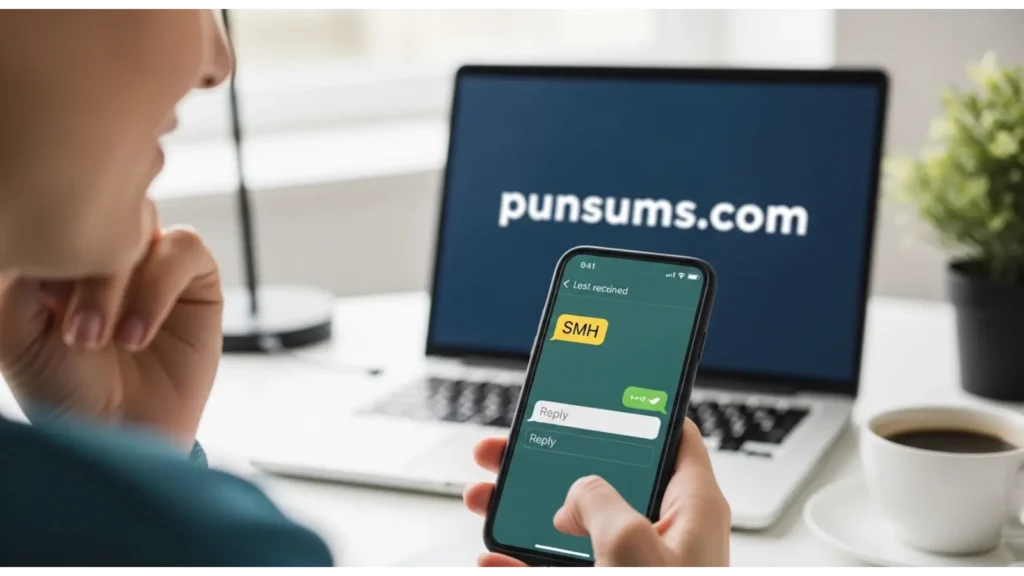
When someone sends SMH, they usually react to a situation rather than ask a question. A good reply continues the conversation or explains the situation.
You might respond by clarifying what happened, joking about the situation, or agreeing with the reaction.
For example:
Friend: “SMH, you forgot your keys again.”
Reply: “I know, today is not my day.”
Another example:
Friend: “SMH, that movie ending was terrible.”
Reply: “I thought the same thing.”
Responding naturally keeps the conversation flowing.
Final Thoughts
Understanding what SMH means in text helps you interpret online conversations more clearly. The abbreviation stands for Shaking My Head and expresses disbelief, disappointment, or mild frustration.
People mainly use SMH in casual texting and social media conversations. It reacts quickly to surprising or frustrating situations without needing a long explanation. Although the tone may sound slightly negative, it is often playful when used among friends.
As texting language continues evolving, learning common slang like SMH makes digital communication easier to understand. The next time you see SMH in a message, you will know exactly what the sender means and how to respond naturally.

I’m Miles Mirth, a humor-loving writer with a passion for clever puns and cheerful wordplay. I find joy in crafting lines that make people grin, giggle, and groan in delight. For me, laughter is life’s brightest spark, and I love sharing it through my writing. Every pun I create is a little dose of happiness meant to brighten your day.