
If you spend time on social media or messaging apps, you have probably seen OMG in conversations. This short expression appears everywhere—from casual chats with friends to comments on viral posts. Many people use it to quickly show surprise, excitement, or shock without typing a long sentence.
Understanding what OMG means in text helps you follow modern digital conversations more easily. Slang abbreviations like this save time and make messages feel more natural and expressive. In this guide, you will learn the exact meaning of OMG, how people use it in texting, when it is appropriate, and several real examples so you can recognize and use it confidently.
OMG Meaning in Text
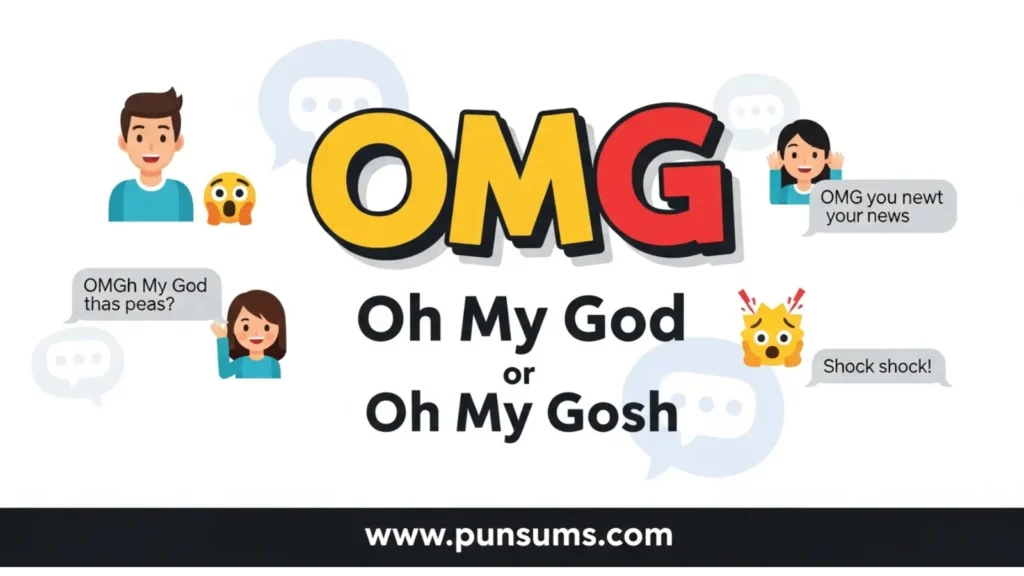
OMG stands for “Oh My God.”
In texting and online communication, people use OMG to express strong emotion, especially surprise, excitement, disbelief, or amazement.
The abbreviation became popular because it is faster to type and easier to read during quick conversations. Instead of writing the full phrase, users simply type OMG to instantly show their reaction.
Common emotions expressed with OMG include surprise, excitement, shock, disbelief, and happiness.
For example:
Friend: I just won free concert tickets.
You: OMG that’s amazing.
Here, OMG shows excitement and surprise at the good news.
What Does OMG Mean in Chat or Social Media
On messaging platforms like WhatsApp, Instagram, Snapchat, or TikTok, OMG works as a quick emotional reaction.
People often use it when something unexpected happens or when they feel strongly about a situation. It usually appears at the beginning of a message to highlight the reaction.
Example conversations:
Friend: Guess what, I passed my driving test.
You: OMG congratulations.
Friend: I just saw a celebrity at the mall.
You: OMG seriously.
In both examples, OMG immediately shows excitement and surprise before the rest of the message.
Different Ways People Use OMG
Although the basic meaning stays the same, OMG can express slightly different feelings depending on the situation.
1. Surprise
One of the most common uses is reacting to unexpected news.
Example:
OMG I didn’t expect that to happen.
2. Excitement
People also use OMG when they feel thrilled or happy.
Example:
OMG I finally got the job.
3. Shock
Sometimes the phrase shows disbelief about surprising information.
Example:
OMG I can’t believe he said that.
4. Admiration
In some cases, people use OMG to compliment something impressive.
Example:
OMG that dress looks incredible.
The tone usually depends on the rest of the message and the context of the conversation.
Is OMG Formal or Casual
OMG is considered casual internet slang.
It is commonly used in personal conversations such as texting friends, chatting on social media, and commenting online. However, it is not usually appropriate for formal communication.
Situations where OMG works well include chatting with friends, reacting to social media posts, casual group chats, and informal online discussions.
Situations where it may not be appropriate include professional emails, academic writing, workplace reports, and official communication.
Instead of OMG in formal contexts, people may write phrases such as “That is surprising” or “I am very impressed.”
Real Text Examples Using OMG
Seeing real texting examples can help you understand how people naturally use this abbreviation.
Example conversation 1:
Alex: I just booked our vacation for next month.
Sam: OMG that’s awesome.
Example conversation 2:
Friend: I met my favorite singer today.
You: OMG I’m so jealous.
Example conversation 3:
Friend: My video just reached one million views.
You: OMG that’s incredible.
Example conversation 4:
Friend: I accidentally sent the message to the wrong person.
You: OMG what happened next.
These examples show how OMG quickly expresses emotional reactions in conversations.
Why People Use OMG in Texting
There are several reasons why this abbreviation became extremely popular in online communication.
First, it saves time. Typing three letters is faster than writing a full phrase, especially on a phone keyboard.
Second, it adds emotional tone. Text messages sometimes feel flat, so expressions like OMG help show excitement or surprise.
Third, it fits fast conversations. Messaging apps move quickly, and short reactions keep the chat flowing smoothly.
Finally, it is widely recognized. Almost everyone who uses the internet understands what OMG means, which makes it easy to communicate.
Variations of OMG
Over time, people created variations of OMG to make their reactions stronger or more playful.
Common variations include:
OMGG – adds extra excitement or emphasis.
Example: OMGG I can’t believe we won.
OMFG – a stronger, more intense reaction (often used among close friends).
Example: OMFG that movie ending shocked me.
OMG!!! – adding exclamation marks increases emotional impact.
Omg – lowercase version used in casual chats.
Although the meaning stays similar, punctuation and capitalization can change the intensity of the reaction.
Is OMG Flirty in Text
OMG is not naturally a flirty abbreviation, but it can appear in flirty conversations depending on context.
For example:
Crush: I made dinner tonight.
You: OMG that sounds amazing.
In this case, the phrase simply shows excitement or interest. The flirty tone comes from the conversation itself rather than the abbreviation.
So, OMG can appear in friendly chats, romantic conversations, or everyday messaging without changing its main meaning.
When People Started Using OMG
Interestingly, the phrase OMG has existed for over a century. The abbreviation appeared in a letter written in 1917 by British naval officer John Fisher.
However, it became widely popular only after the rise of text messaging and internet chat in the early 2000s. As online communication grew, people started using short expressions like OMG, LOL, and BRB to communicate quickly.
Today, OMG is one of the most recognizable internet abbreviations worldwide.
Tips for Using OMG Correctly
If you want to use OMG naturally in your messages, keep a few simple tips in mind.
Use it at the beginning of a sentence to show your reaction clearly.
Avoid using it in professional or formal writing.
Combine it with emojis if you want to add extra emotion.
Use it sparingly so it still feels genuine and expressive.
For example:
OMG that was the funniest video ever 😄
This type of message feels natural and conversational.
Quick Answer
OMG means “Oh My God.”
People use it in texting and social media to express surprise, excitement, shock, or amazement in a quick and casual way.
Conclusion
Understanding what OMG means in text makes it easier to follow modern digital conversations. The abbreviation stands for “Oh My God” and is widely used to show strong reactions like excitement, shock, or amazement.
Because it is short, expressive, and easy to type, OMG became one of the most popular slang terms in texting and social media. You will often see it in chats, comments, memes, and online discussions.
While it works perfectly in casual conversations with friends, it is usually best to avoid using it in formal communication. Once you recognize how people use OMG in context, you can easily understand messages and even start using the abbreviation naturally in your own chats.

I’m Miles Mirth, a humor-loving writer with a passion for clever puns and cheerful wordplay. I find joy in crafting lines that make people grin, giggle, and groan in delight. For me, laughter is life’s brightest spark, and I love sharing it through my writing. Every pun I create is a little dose of happiness meant to brighten your day.